ROAR has collapsed: What is a rug-pull? Protect your crypto in Argentina


Why more and more Argentines are falling into these traps, what exactly happened with the ROAR token, and how to trade safely on reliable exchanges like WEEX.
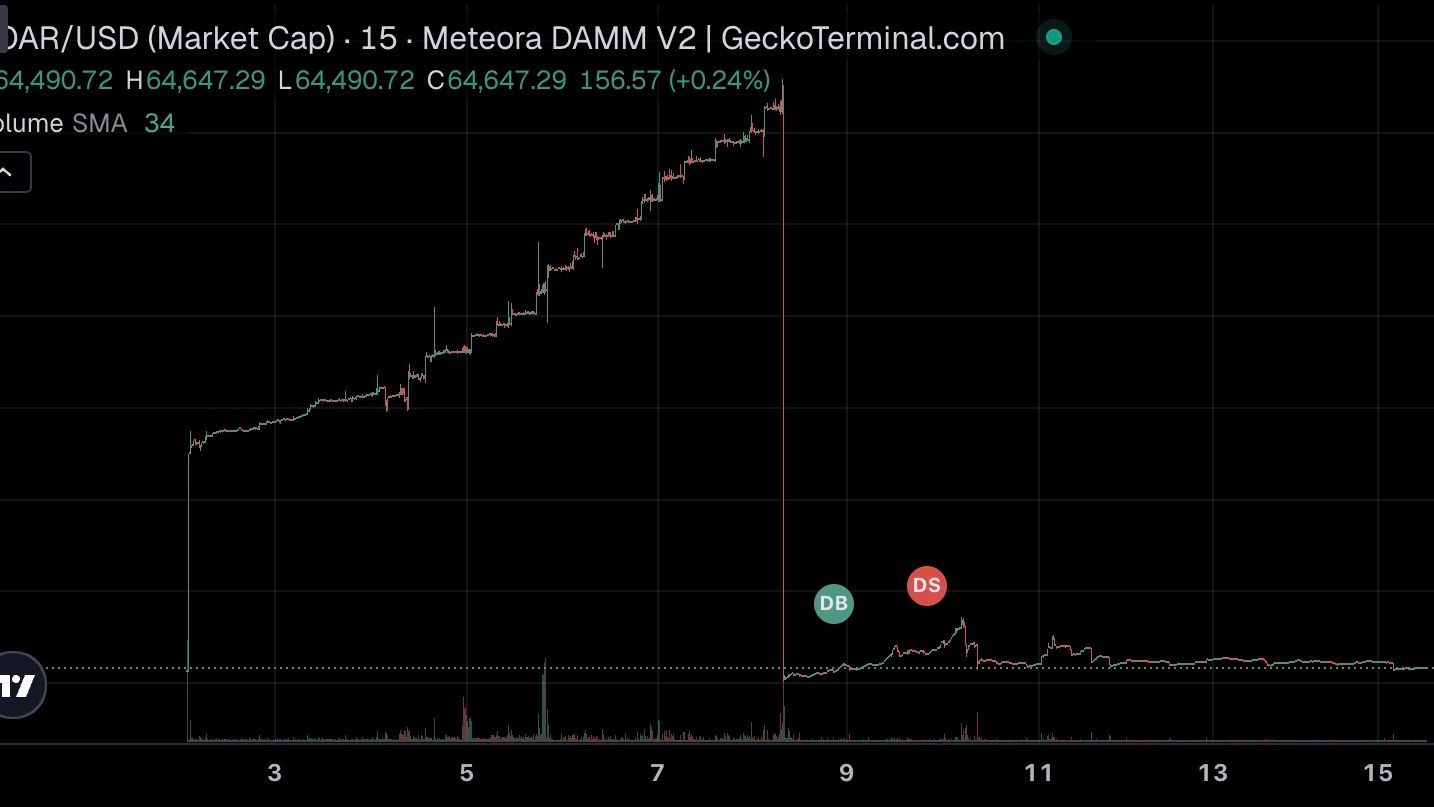
The crypto world never ceases to surprise, but not always for the better. In recent weeks, the ROAR (Russian Oil Asset Reserve) token became the subject of conversation in forums and Telegram groups across Latin America, and especially in Argentina. The reason: analysts from multiple specialized platforms warned that the project displayed all the classic signs of a rug-pull, one of the most common and devastating scams in the crypto ecosystem.
If you still don't know what a rug-pull is, don't worry: in this article, we explain everything from scratch, tell you what happened with ROAR, and (most importantly) how to protect your pesos and your digital savings in a country where inflation remains a real threat.
The Argentine context: Inflation, evaporating pesos, and crypto as a lifeline
To understand why we Argentines are especially vulnerable to these types of scams, we must first talk about our economic reality. According to recent data published by Infobae, annual inflation in Argentina went from over 270% in 2024 to projections of between 28% and 31% by the end of 2025. Although the slowdown is real, for millions of families, the peso continues to lose value month by month, and the history of devaluations does not disappear overnight.
In this context, it is no coincidence that Argentina is one of the leading countries in cryptocurrency adoption in all of Latin America. According to the adoption index from Chainalysis, our country holds a prominent position in the region, driven mainly by the use of stablecoins like USDT and USDC as a refuge against the devaluation of the peso. In fact, we are the only country in the region where more than 60% of crypto purchases correspond to digital dollars, far surpassing Bitcoin, according to data from the "Crypto Landscape in Latin America" report by Bitso.
This desperate search for financial protection has a dark side: when people want to escape inflation at all costs, it is easier to fall for promises that are too good to be true. And the ROAR token was exactly that.
What is ROAR? The token that promised backing in Russian oil
ROAR presented itself to the market as a cryptocurrency backed by real Russian oil reserves, operating on the Solana blockchain. Its narrative appealed to the geopolitical sentiment of the moment: with tensions between Russia and the West at their peak, the idea of an "anti-imperialist" sovereign token sounded attractive to certain investors.
The marketing campaign was aggressive: influencers on short-video platforms, "financial freedom token" narratives, and promises of explosive returns. However, analysts at the Investor Confidence Index (ICI) did not take long to raise red flags. In their technical analysis of the project, specialists concluded that ROAR lacked verifiable guarantees and that its distribution strategy was "purely marketing-driven," without any real backing to justify the projected valuations.
The same analysts pointed out that the ROAR playbook was almost identical to that of previous tokens like United States RX, Golden Dome, and US Oil Reserve, all of which also claimed to have official backing before collapsing to zero. The same playbook, the same victims.
What is a rug-pull: the scam that pulls the rug out from under you
The term rug pull comes from the English phrase "pull the rug out from under someone." In the crypto world, it describes a specific scam: the creators of a project launch a token, generate hype, attract investors, and when the money is collected, they disappear with everything.
According to Crypto.com, the most frequent mechanism works like this: a developer publishes a new token on a decentralized exchange (DEX), creates a liquidity pool, and begins to promote it. As users buy the token and the capitalization increases, the creators withdraw all the project's liquidity and vanish. Immediately after, they close community channels, delete social media accounts, and leave holders with tokens that are worth absolutely nothing.
There are mainly three forms of rug-pulls:
- Liquidity theft: Developers abruptly withdraw all capital from the liquidity pool on a DEX, leaving the token with no market value. Since the liquidity was not locked, the draining happens in seconds.
- Pump and dump: The price is artificially inflated through influencers, bots, and viral marketing. When the price reaches its peak, insiders sell all their positions en masse, crashing the price.
- Exit scams after the presale: The team raises funds in an ICO or presale, promises a brilliant future development, and disappears before delivering anything. Websites and social media are deleted overnight.
The numbers are frightening: according to data from DappRadar and CoinLaw, in 2025 alone, rug-pulls destroyed more than 1.8 billion dollars in investor funds, and on platforms like Pump.fun, 98.6% of tokens launched since 2024 turned out to be rug-pulls or pump-and-dumps. A brutal statistic.
The warning signs that ROAR had from the beginning
Looking back, ROAR presented almost all the classic red flags that crypto security experts recommend watching out for:
Promises without verifiable backing. No independent auditor could confirm the existence of the oil reserves that supposedly backed the token. The guarantee was pure narrative.
Excessive token concentration. When a few wallets control a disproportionate portion of the total supply, any coordinated sale can crash the price. According to experts cited by Phemex Academy, if fewer than ten wallets control more than 30% of the circulating supply, the risk of manipulation is critical.
Virulent marketing without real development. The project spent more energy on social media campaigns than on technical documentation, smart contract audits, or identifiable teams.
Promised unsustainable returns. As Crypto.com points out, if a project promises stratospheric APYs without clearly explaining where the return comes from, "you are not the investor, you are the yield."
Anonymous founders without a track record. Anonymity is not bad on its own (Satoshi Nakamoto founded Bitcoin without revealing his identity), but combined with the other factors, it exponentially increases the risk.
Why we Argentines are a special target
There is a reason why cryptocurrency scams hit especially hard in Argentina: financial urgency clouds critical judgment. When the peso melts month by month and you want to protect your savings, any proposal that sounds like "high returns in dollars" activates hope mode before analysis mode.
According to Cronista, in Argentina, cryptocurrencies are mainly used as wealth protection, not as pure speculation. That is good. But it also means that many people enter the crypto market without the time or knowledge necessary to do deep research (the famous DYOR: Do Your Own Research) before investing.
And that is exactly where the creators of tokens like ROAR insert their trap: emotionally resonant narratives (financial sovereignty, fighting the system, profitability in dollars) designed to bypass critical thinking. To get clear instructions that will help you protect yourself from rug-pulls, visit WEEX Learn.
How to trade safely: WEEX, the difference of a reliable exchange
One of the first and most effective lines of defense against rug-pulls is trading on centralized exchanges with rigorous listing processes. This is where WEEX makes the difference.
Unlike decentralized exchanges (DEX) where anyone can list a token without any control, WEEX applies technical and risk review processes before enabling an asset on its platform. This drastically reduces exposure to fraudulent tokens like ROAR, which circulate mainly on DEXs that lack controls.
In addition, WEEX offers educational resources and tools so that its users can make informed decisions. For Argentines looking for solid alternatives against inflation, the platform provides access to the most reliable assets on the market: Bitcoin, Ethereum, and the main stablecoins, without the risks associated with speculative projects without backing.
If you are interested in exploring safer crypto alternatives and better understanding the ecosystem, we recommend reading these resources from the WEEX Wiki:
- 📖 Token Venezuela Libre: The Cryptocurrency of Freedom that Unites Argentines and Venezuelans— A deep analysis of other rug-pulls in Latin America.
- 📖 Best Stablecoins 2026: Options against Inflation— The definitive guide to understanding which are the most solid stablecoins and how to use them to protect your savings from the deterioration of the peso.
Anti-rug pull checklist: what to verify before investing in any token
Before putting even one peso into an unknown token, run it through this filter:
- Is there a detailed whitepaper and an independent smart contract audit? If there is no audit, there is no seriousness.
- Who are the founders and do they have a verifiable history? Look for their profiles on LinkedIn, GitHub, or in the crypto community.
- How is the supply distributed? Use tools like Token Sniffer or DEXTools to see wallet concentration.
- Is the liquidity locked and for how long? If it is not locked, developers can withdraw it at any time.
- Are the promised returns mathematically sustainable? If they promise a 500% APY without explaining where it comes from, it is a huge red flag.
- Does the project have a presence on reliable exchanges like WEEX? Serious tokens pass real filters before being listed.
Conclusion: in Argentina, more than anywhere else, you have to invest with a cool head
The case of the ROAR token is, unfortunately, one more on a list that does not stop growing. In an ecosystem where rug-pulls destroyed billions of dollars in 2025, and where the sophistication of these scams grows every year, financial education is not a luxury: it is an urgent necessity, especially for Argentines.
We live in a country where inflation remains a real pressure on our pockets, where the peso persistently loses value, and where historical currency restrictions have pushed millions of people to seek refuge in digital assets. That reality is not going to change overnight, and cryptocurrencies are, in fact, a valid and powerful tool to protect wealth. But the same urgency that leads us to seek alternatives can become our greatest vulnerability if we do not learn to distinguish serious projects from scams disguised as a financial revolution.
The golden rule is simple: if it sounds too good to be true, it probably is. Trade on regulated, established exchanges like WEEX. Research before you invest. Diversify into assets with a history and real liquidity. And if a token appears out of nowhere promising backing in Russian oil or any other exotic asset without independent audits, walk away fast. The crypto market has incredible opportunities for those who are well-informed; don't waste them by falling into a trap that already has a name: rug-pull. Download the WEEX app today to stay up to date with the latest crypto market news while you take your first steps or learn more about this exciting on-chain world.
Disclaimer
WEEX and its affiliates provide digital asset exchange services, including contract trading and margin trading, only where it is legal to do so and for eligible users. All content is general information and does not constitute financial advice. You should seek financial advice before trading. Cryptocurrency trading is a high-risk activity and can lead to the total loss of your assets. By using WEEX services, you accept all related risks and terms. Never invest more than you can afford to lose. Consult our Terms of Use and our Legal Statement for full details.