
OpenClaw and AI Bots: From AI Trading to BTC Liquidations in the Crypto Gold Rush

 Prefer us on Google


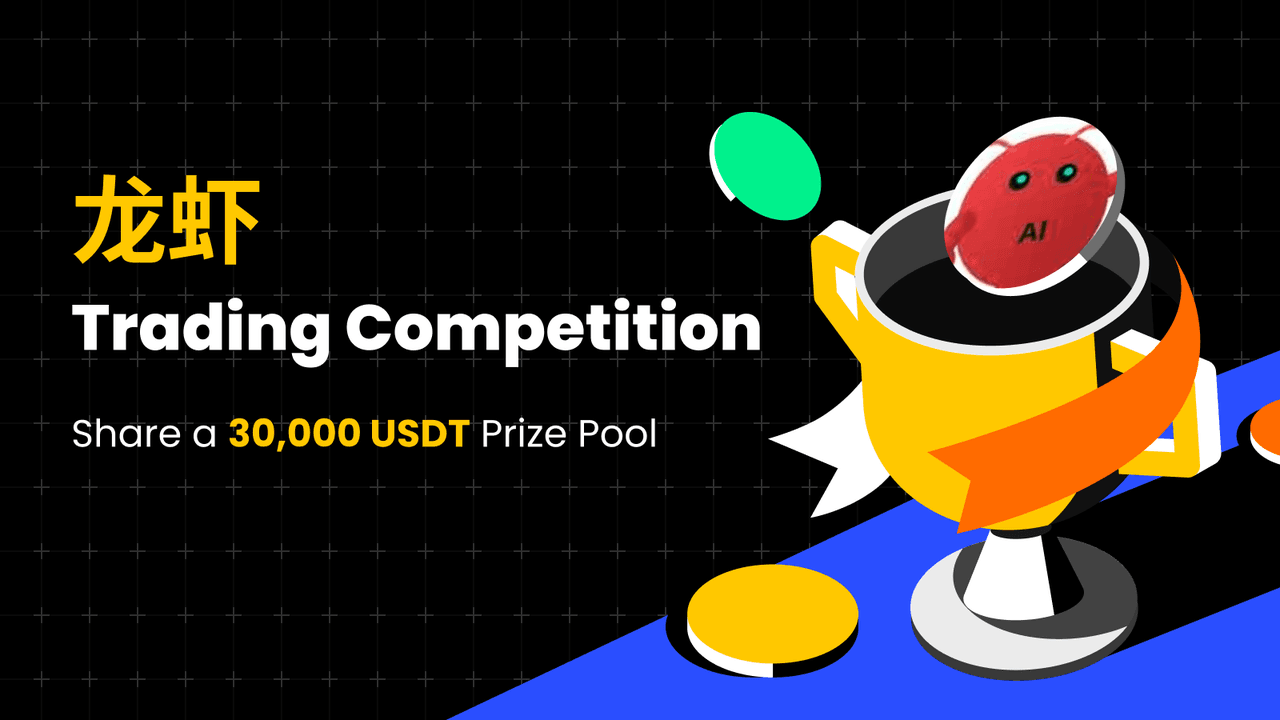
Key Takeaways
- AI crypto trading bots like OpenClaw are becoming a major force in digital markets
- Crypto's 24/7 trading environment makes it ideal for automated strategies
Market signals like BTC liquidations and crypto bubble charts are key inputs for AI systems - Free crypto airdrops, referral programs, and affiliates like OpenClaw are expanding the ecosystem
- Sports partnerships such as LALIGA are helping bring crypto to mainstream audiences
- Tokenized gold and precious metals are bridging traditional finance and crypto
- Exchange infrastructure and liquidity remain the foundation behind all AI trading systems
In every technological revolution, a new form of gold rush eventually appears.
Today, the conversation is increasingly centered around AI trading, AI crypto trading bots, and the rise of automated financial systems capable of operating around the clock.
From professional funds to individual traders searching for the best AI trading app, the demand for tools that can trade automatically is rapidly expanding.
At the same time, the crypto ecosystem is evolving into a broader digital economy that includes everything from free crypto airdrops and crypto referral codes to visual analytics tools such as the crypto bubble chart and crypto bubble map, which help traders understand market sentiment in real time.
But as the AI trading boom grows, a deeper question emerges:
Where will all these automated trading systems actually operate?
What Are AI Crypto Trading Bots and Why Are They Rising Now?
The idea of an AI crypto trading bot is no longer theoretical.
Modern AI trading systems can analyze multiple forms of market data simultaneously, including:
- price movements
- derivatives activity such as BTC liquidations
- liquidity flows across exchanges
- sentiment signals from social media
These systems are increasingly capable of identifying patterns that human traders may miss.
Many traders are therefore exploring ways to trade automatically, either through algorithmic frameworks or through AI-powered platforms that function like an AI trading app.
The result is a new category of trading tools that combine machine learning with automated execution.
Some developers even aim to build the best AI trading app capable of managing entire portfolios autonomously.
Why Crypto Markets Are Ideal for AI Trading and Automated Bots Like OpenClaw
Crypto markets present unique conditions that make them ideal for automated trading systems.
Unlike traditional markets, crypto trading never stops. Markets operate 24 hours a day, seven days a week, creating an environment where automation becomes extremely valuable.
AI trading systems can continuously monitor metrics such as:
- volatility spikes
- derivatives activity
- market heatmaps shown through crypto bubble charts
- sector rotations visualized via crypto bubble maps
These data layers help automated strategies react faster to market changes.
In high-volatility environments, especially during cascading BTC liquidations, algorithmic systems can sometimes respond more quickly than manual traders.
Free Crypto Airdrops, Referral Codes and the Rise of Crypto Affiliate Programs Like OpenClaw
While trading automation is expanding, other parts of the crypto ecosystem are also evolving.
Many new users first enter the market through free crypto airdrops, which distribute tokens to early participants.
Others join platforms through crypto referral codes or participate in some of the best crypto affiliate programs, which reward users for introducing new traders to exchanges.
These mechanisms help grow user communities and create incentive structures around participation.
Together with automated trading systems, they contribute to a broader crypto economy where both human users and algorithmic strategies interact with financial infrastructure.
Crypto Bubble Charts, Bubble Maps and BTC Liquidations Explained
Another major development in modern crypto trading is the rise of visualization tools.
Platforms increasingly use visual analytics to help traders understand market movements.
Examples include:
- crypto bubble charts, which display asset performance across multiple sectors
- crypto bubble maps, which show how capital flows between different categories of tokens
- derivatives dashboards tracking BTC liquidations, often used as signals for volatility spikes
These tools provide insights not only for human traders but also for AI-driven trading systems that rely on structured market data.
As AI trading grows more sophisticated, these data sources are becoming an important input layer for automated decision-making.
From LALIGA Fixtures to Crypto Markets: How Sports Partnerships Expand Adoption
Crypto trading platforms are also expanding beyond purely financial services.
Many exchanges now collaborate with global sports leagues, helping bring crypto exposure to new audiences.
One notable example is the growing intersection between crypto communities and football fans who follow the La Liga schedule, track La Liga fixtures, or check the latest La Liga scores and La Liga results.
These partnerships introduce millions of sports fans to crypto markets, creating new entry points into trading platforms and digital asset ecosystems.
For the industry, this represents a cultural bridge between sports entertainment and financial technology.
Tokenized Gold vs Gold ETFs: Precious Metal Prices in Crypto Markets
Another interesting trend in crypto markets is the growing interest in tokenized commodities.
Assets linked to gold and silver allow traders to gain exposure to traditional safe-haven assets directly within crypto platforms.
Traders frequently monitor indicators such as:
- precious metal prices
- gold market cap
- gold news
- the 18k gold price in traditional markets
Some investors also compare tokenized assets with traditional instruments such as the best gold ETF or other gold ETFs available in traditional finance.
Tools like a gold calculator or silver calculator can help investors estimate the value of their holdings, while online platforms increasingly allow users to explore gold online markets directly within digital asset ecosystems.
This blending of crypto and commodity markets reflects a broader financial convergence.
Why Liquidity and Exchange Infrastructure Power AI Crypto Trading Bots Like OpenClaw
Despite the rapid growth of AI trading tools, one reality remains constant:
Every trading system—human or AI—needs infrastructure.
That infrastructure includes:
- liquidity
- matching engines
- derivatives markets
- execution APIs
Crypto exchanges play a central role in providing these services.
As AI trading grows, exchanges are evolving into platforms that support both manual traders and automated systems.
Turning AI Trading Activity Into Opportunity By OpenClaw
To encourage participation, some trading platforms are introducing campaigns that reward trading activity.
One example is the WEEX Spot Trading Campaign, which allows users to unlock additional rewards through spot trading activity. Instead of relying purely on price movements, traders can participate in a reward structure designed to incentivize consistent market participation.
Participants can explore the campaign rules and join the event here: https://www.weex.com/events/promo/spot-event20-1
These types of programs reflect a broader industry trend in which exchanges are transforming trading activity into a form of ongoing participation and engagement within the crypto ecosystem.
The Future of OpenClaw, AI Trading Apps and Automated Crypto Markets
The intersection of AI and crypto markets is still developing.
Yet the trajectory suggests that automated systems will continue to play a larger role in digital asset markets.
From AI trading apps to fully autonomous AI crypto trading bots, the technology is moving toward a world where traders increasingly design strategies while machines handle execution.
At the same time, the crypto ecosystem continues expanding through:
- affiliate systems
- airdrops
- sports partnerships
- tokenized commodities
Together, these elements form a rapidly evolving digital economy.
And as the next wave of AI-driven financial innovation unfolds, crypto markets may once again become one of the most important laboratories for experimentation.
About WEEX
Founded in 2018, WEEX has developed into a global crypto exchange with over 6.2 million users across more than 150 countries. The platform emphasizes security, liquidity, and usability, providing over 1,200 spot trading pairs and offering up to 400x leverage in crypto futures trading. In addition to the traditional spot and derivatives markets, WEEX is expanding rapidly in the AI era — delivering real-time AI news, empowering users with AI trading tools, and exploring innovative trade-to-earn models that make intelligent trading more accessible to everyone. Its 1,000 BTC Protection Fund further strengthens asset safety and transparency, while features such as copy trading and advanced trading tools allow users to follow professional traders and experience a more efficient, intelligent trading journey.
Follow WEEX on social media
X: @WEEX_Official
Instagram: @WEEX Exchange
Tiktok: @weex_global
Youtube: @WEEX_Official
Discord: WEEX Community
Telegram: WeexGlobal Group
Disclaimer: This content is provided for general branding and informational purposes only and doesn't constitute financial, investment, legal, or tax advice. Any events, rewards, online events, or related information mentioned herein should not be considered a recommendation, solicitation, or invitation to purchase, sell, trade, or otherwise deal in any crypto assets or to use any services. Crypto assets are highly volatile and may result in loss. WEEX services and online events may not be available in all regions and are subject to applicable laws, regulations, and eligibility requirements. You are responsible for ensuring that your use of WEEX services complies with local laws and for carefully assessing the risks before participating in any crypto-related activities.
You may also like

AI Crypto Trading in 2026: How AI Agents Use Stablecoins for Capital Management and Settlement
Learn how AI agents use stablecoins for crypto trading in 2026 — managing capital, settling transactions, and operating across exchanges and DeFi protocols.
AI Trading's Ultimate Test: Empower Your AI Strategy with Tencent Cloud to Win $1.88M & a Bentley
AI traders! Win $1.88M & a Bentley by crushing WEEX's live-market challenge. Tencent Cloud powers your AI Trading bot - can it survive the Feb 9 finals?
How a Risk-Controlled AI Crypto Trading Bot Protects Capital in Real Markets
Ritmex demonstrates how disciplined risk control and structured signals can make an AI crypto trading bot more stable and reliable on WEEX, highlighting the importance of combining execution discipline with scalable AI trading systems.
How a Structured AI Crypto Trading Bot Won at the WEEX Hackathon
Crypto_Trade shows how structured inputs and controlled adaptability can build a more stable and reliable AI crypto trading bot within the WEEX AI Trading Hackathon, highlighting a practical path toward scalable AI trading systems.

How a Fully Automated AI Trading Bot Won at WEEX Hackathon (From 0 to AI Agent)
Nick’s journey on WEEX shows that successful AI Trading isn’t just about strategy ideas—but about structured AI agents, disciplined execution, and continuous adaptation in real market conditions.
Best AI Crypto Trading Bot? Inside the AI Trading System That Ranked Top 3 on WEEX
Discover the best AI crypto trading bot on WEEX. Learn how AI trading works, how to trade automatically, and why this system stands out among top AI trading apps.
From Human Strategy to AI Trading Bot: How Shadow Trading AI Won 2nd Place in the WEEX Hackathon
Ivan’s Shadow Trading AI secured second place in the WEEX AI Trading Hackathon, demonstrating how AI trading systems built on real market expertise can perform under live market conditions.
Who Will Control AI? Why Decentralized AI May Be the Only Alternative to Government and Big Tech
AI has become critical infrastructure, and governments and corporations are competing to control it. Centralized development and regulation are entrenching existing power structures. The Web3 community is building a decentralized alternative — distributed compute, token incentives, and community governance — before that window closes.
WEEX AI Hackathon: How Did This AI Trading Winner Succeed?
A self-taught AI trading enthusiast achieved top-10 results at the WEEX AI Hackathon. Learn about the mindset, AI tools, and lessons behind this impressive performance.
Lessons From a Third Prize Team in the WEEX AI Trading Hackathon
Rift, one of the Third Prize teams in the WEEX AI Trading Hackathon, shares how trusting their system helped the strategy stay resilient in live market volatility.

Champion Crowned at WEEX AI Hackathon: Revealing Strategy That Won $600K
A trader with only 6 months of AI trading experience won $600,000 at the WEEX AI Hackathon. Discover the strategy, tools, and lessons behind this breakthrough victory.

4 AI Trading Strategy Lessons from WEEX Hackathon Finalist
Finalist Bambi shares how AI tools helped turn real trading experience into an automated strategy, why survival-first risk control shaped the system’s design, and how the approach will evolve ahead of WEEX AI Trading Hackathon Season 2.
What Is OpenClaw? How The AI Agent Could Automate Crypto Trading Through APIs
OpenClaw is a rapidly growing AI agent on GitHub that can automate tasks and even execute crypto trades through exchange APIs. Learn how OpenClaw works, how it connects to exchanges, and the risks traders should understand before using AI trading agents.

WEEX AI Hackathon Champions Crowned, Revealing Future of AI Trading
The first-ever WEEX AI Hackathon has concluded, with 10 winners emerging from over 200 global teams. Beyond its $1.8 million prize pool, the event marked a milestone—proving that the future of AI trading belongs to accessible, AI-powered innovation.
Lessons From a Top 10 AI Trading Strategy in the WEEX AI Hackathon
A Top 10 finalist in the WEEX AI Hackathon shares how a market-neutral AI trading system competed against high-leverage strategies in live crypto markets.
From 27th to 4th: The AI Trading "Survivor Strategy" Behind a WEEX Hackathon Comeback
After a logic failure dropped him to 27th place, ClubW_9Kid rebuilt his AI trading framework and finished 4th in the WEEX AI Hackathon. In this interview, he explains the lessons behind disciplined AI execution, risk control, and why survival beats complexity in algorithmic trading.
What Is Vibe Coding? How AI Is Changing Web3 & Crypto Development
What is vibe coding? Learn how AI coding tools are lowering the barrier to Web3 development and enabling anyone to build crypto applications.
What Is OpenClaw? How AI Agents Could Change Crypto Exchange Trading
OpenClaw is a rapidly growing open-source AI agent that can autonomously execute tasks and interact with software, including connecting to crypto exchanges through APIs to analyze markets and automate trading strategies. While this creates new opportunities for smarter trading, it also introduces security and operational risks. Through this article, WEEX aims to help users better understand the potential and risks of AI trading agents so they can explore new technologies while trading more safely and responsibly.
AI Trading in Live Markets: 4 Lessons From a WEEX Hackathon Top 10 Finalist
AI trading meets real markets. Explore 4 lessons from a WEEX Hackathon Top 10 finalist on surviving volatility, trusting AI models, and building smarter crypto trading systems.

How 30+ Global Sponsors Powered WEEX AI Trading Hackathon Into a $1.88M Carnival
Discover how 30+ global sponsors including AWS helped power the $1.88M WEEX AI Trading Hackathon, turning AI strategies into live crypto market competition.
From CTA to AI: The Evolution of Adaptive Quant Strategies in Crypto Markets
Explore how an LLM-powered AI market-neutral trading strategy achieved a 2.75 Sharpe ratio with controlled drawdown. Inside crypto_trade’s adaptive hedging system at the WEEX AI Trading Hackathon.

WEEX AI Hackathon: $8B Traded, Real AI Strategies Proven
How profitable is AI trading in real crypto markets? WEEX's $1.88M global AI hackathon reveals $8B volume, 227% ROI, API strategy data, and why only 8 of 37 traders made profit.
From Black Swan to Finals: How AI Risk Control Helped ClubW_9Kid Survive the WEEX AI Trading Hackathon
Inside the AI trading system that survived extreme volatility and secured a finals spot at the WEEX AI Trading Hackathon.
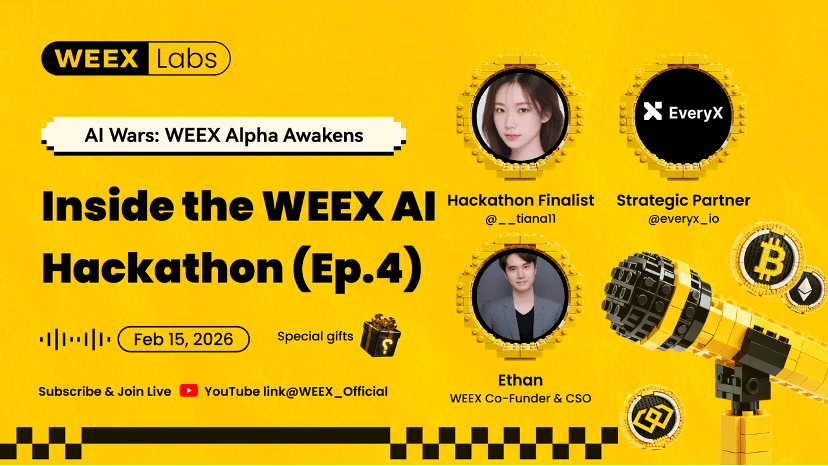
WEEX AI Trading Hackathon: 3 Key Insights on the Future of AI Trading & Prediction Markets
Dive into the key takeaways from the WEEX AI Trading Hackathon AMA. Get 3 critical insights from platform builders, prediction market experts, and winning traders on the future of AI trading, how to trade social sentiment, and why human-AI collaboration is the ultimate edge.

Beyond the Battle: PS5 Prizes, 1,000 USDT Giveaways & Key WEEX AI Trading Insights from Istanbul
Get key insights from the frontline of AI trading: Analysis of a live showdown in Istanbul reveals when human intuition beats AI, and where algorithms dominate. Learn the future of collaborative trading.
How Smart Money Tracker Survived Live AI Trading at WEEX AI Hackathon
Discover how WEEX AI Trading Hackathon tested strategies with real capital—no simulations. See how Smart Money Tracker survived flash crashes and leveraged 18x in live markets.
80% Win Rate to 40% Drawdown: An AI Trader's Brutal Recalibration at WEEX AI Wars
Dive into the technical blueprint of an AI trading system built on LLaMA reasoning and multi-agent execution. See how Quantum Quaser uses confidence thresholds & volatility filters at WEEX AI Wars, and learn the key to unlocking 95% win rate trades.
AI Trading Strategy Explained: How a Beginner Tiana Reached the WEEX AI Trading Hackathon Finals
Can AI trading really outperform human emotion? In this exclusive WEEX Hackathon finalist interview, discover how behavioral signal strategies, SOL trend setups, and disciplined AI execution secured a spot in the finals.

AI Trading vs Human Crypto Traders: $10,000 Live Trading Battle Results in Munich, Germany (WEEX Hackathon 2026)
Discover how AI trading outperformed human traders in WEEX's live Munich showdown. Learn 3 key strategies from the battle and why AI is changing crypto trading.
WEEX AI Trading Hackathon Rules & Guidelines
This article explains the rules, requirements, and prize structure for the WEEX AI Trading Hackathon Finals, where finalists compete using AI-driven trading strategies under real market conditions.
AI Crypto Trading in 2026: How AI Agents Use Stablecoins for Capital Management and Settlement
Learn how AI agents use stablecoins for crypto trading in 2026 — managing capital, settling transactions, and operating across exchanges and DeFi protocols.
AI Trading's Ultimate Test: Empower Your AI Strategy with Tencent Cloud to Win $1.88M & a Bentley
AI traders! Win $1.88M & a Bentley by crushing WEEX's live-market challenge. Tencent Cloud powers your AI Trading bot - can it survive the Feb 9 finals?
How a Risk-Controlled AI Crypto Trading Bot Protects Capital in Real Markets
Ritmex demonstrates how disciplined risk control and structured signals can make an AI crypto trading bot more stable and reliable on WEEX, highlighting the importance of combining execution discipline with scalable AI trading systems.
How a Structured AI Crypto Trading Bot Won at the WEEX Hackathon
Crypto_Trade shows how structured inputs and controlled adaptability can build a more stable and reliable AI crypto trading bot within the WEEX AI Trading Hackathon, highlighting a practical path toward scalable AI trading systems.
How a Fully Automated AI Trading Bot Won at WEEX Hackathon (From 0 to AI Agent)
Nick’s journey on WEEX shows that successful AI Trading isn’t just about strategy ideas—but about structured AI agents, disciplined execution, and continuous adaptation in real market conditions.
Best AI Crypto Trading Bot? Inside the AI Trading System That Ranked Top 3 on WEEX
Discover the best AI crypto trading bot on WEEX. Learn how AI trading works, how to trade automatically, and why this system stands out among top AI trading apps.