
Gary's class is over, what is SEC Acting Chair Uyeda's first move?


Original Title: "Mark Uyeda Takes Over from Gary Gensler, Beginning of SEC's Change in Direction"
Original Author: Azuma, Odaily Planet Daily
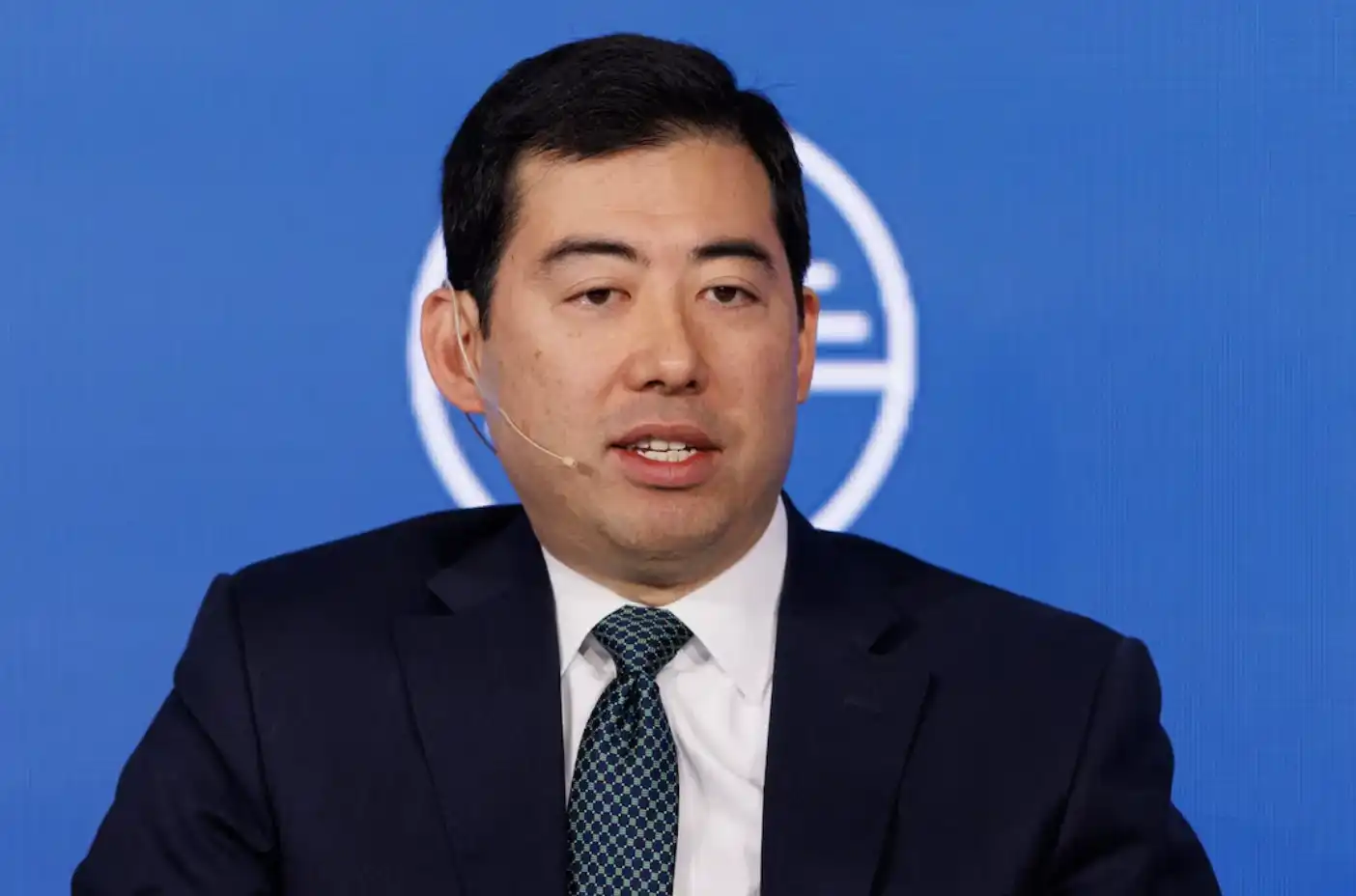
In the early hours of January 21, the U.S. Securities and Exchange Commission (SEC) officially released a statement announcing that today would be Gary Gensler's last day as SEC Chair. The SEC's figurehead, who has been entangled with the cryptocurrency industry for over three years, finally bid farewell.
Shortly thereafter, the White House once again issued a document announcing that current SEC Commissioner Mark Uyeda would serve as Acting SEC Chair. He will temporarily lead the SEC, a crucial industry regulatory body, until the new SEC Chair (expected to be Paul Atkins) is determined and takes office.
Uyeda is a Republican member and has been an SEC Commissioner since June 30, 2022. Prior to becoming a Commissioner, Uyeda worked at the SEC for over 15 years, accumulating rich frontline work experience.
What Is His Attitude Toward Cryptocurrency?
When it comes to cryptocurrency, Uyeda has always maintained a friendly attitude and has been viewed by the industry as a staunch ally within the SEC, alongside "Crypto Mom" Hester Peirce.
Regarding last year's ETF resolution concerning the industry's development as a whole, Uyeda also cast a crucial approving vote.
Despite being at the SEC, Uyeda does not agree with Gary Gensler's aggressive enforcement approach toward the industry and has, along with Peirce, opposed multiple enforcement actions launched by the SEC against industry projects.
In October last year, Uyeda stated in an interview with Fox Business that Trump had described the SEC's past actions as a "war on cryptocurrency" and that this situation must be ended, with clearer regulatory guidelines established.
"I think our policies and practices over the past few years have been a real disaster for the entire crypto industry. We've been enforcing a 'mandatory enforcement policy' and we haven't done anything to provide guidance."
Last week, Reuters reported that several sources revealed that senior Republican officials at the SEC are preparing to immediately reform the agency's cryptocurrency policy after Trump takes office. Measures being considered by Uyeda and Peirce include initiating relevant procedures, ultimately establishing guidance or rules, clearly defining under what circumstances the agency will consider cryptocurrency as securities, and reviewing some cryptocurrency enforcement cases currently in court.
SEC Succession Update
It is important to note that Uyeda is only the Acting Chair of the SEC. Former SEC Commissioner Paul Atkins has been nominated by Trump to officially take over the agency, but it is currently unclear when Atkins' appointment will be approved. It is expected that Uyeda will continue to make some substantial policy changes as the interim leader of the agency until Atkins takes over.
As for potential attitude changes after Atkins assumes the role, there is no need to be overly concerned. Atkins was previously a subordinate of Peirce and Uyeda. While he has made relatively few explicit statements about cryptocurrency, he has publicly criticized the SEC for its overregulation of the cryptocurrency industry.
Considering his past experience and potential attitude, Atkins' stance is expected to lean towards supporting cryptocurrency.
CFTC Transition Underway
In addition to the SEC, another key regulatory agency, the Commodity Futures Trading Commission (CFTC), is also undergoing a transition. Rostin Behnam has stepped down, and Trump has nominated Caroline Pham to serve as the Acting Chair of the CFTC, with expectations of later becoming the permanent chair.
Similar to Atkins, although Pham has not been as outspoken as Uyeda in admitting support for cryptocurrency, the market still anticipates that Pham will hold a relatively friendly attitude towards the industry.
The Beginning of a Shift in Regulatory Direction
With Trump officially in office and core regulatory agencies such as the SEC and CFTC undergoing transitions, the shift in cryptocurrency regulation has begun.
For the cryptocurrency industry, which has long been plagued by regulatory challenges, the next few years may be some of the most lenient in the industry's history—although this period of somewhat politically motivated "honeymoon" is inherently fragile.
Idealists who believe in decentralization may complain that the current political environment is far from what Satoshi Nakamoto envisioned when writing the Bitcoin whitepaper. However, from a realist perspective, the upcoming regulatory spring may be the best opportunity for all industry participants to seek development.
You may also like

Morning News | CME Group launches Nasdaq Cryptocurrency Index futures; Asset management giant Janus Henderson strategically invests in Ethena

Why did Oracle deliver the strongest financial report in history, yet its stock price fell?

Bitcoin Layer 2 Network Botanix: Why Did We Choose to Dissolve?

Morning Report | OpenAI has submitted an S-1 registration statement draft to the U.S. SEC; Morpho completes $175 million financing

Galaxy Deep Research Report: How Hyperliquid's HIP-4 Upgrade Changes the Landscape of Prediction Markets?

Latest research from 13 top universities including Cornell University: The current state, challenges, and misconceptions of the fusion of Crypto and AI
Deconstructing Anthropic: The Best AI Company, Possibly Also a Type of Organizational Invention

Every exchange is a "Universal Exchange."

The counterattack of traditional finance: Alliance chains are quietly reviving
Pantera Capital Partner: How Tokenization is Restructuring the Private Equity and Early Investment Ecosystem?

Mastercard Launches Agent Pay for AI, Plans to Record AI Agent Payment Authorizations on Polygon
Mastercard launched Agent Pay for AI, a new payment protocol designed to help AI agents make small payments such as pay-per-use access to data and APIs. The system plans to record human-granted AI agent permissions on Polygon, focusing on verifiable authorization, identity, and payment controls.

Curve Deploys Llamalend v2 on Optimism With 250,000 OP Incentives
Curve launched Llamalend v2 on Optimism with 250,000 OP incentives from the Optimism Foundation. The upgrade expands Llamalend beyond its earlier crvUSD-focused model, adding broader collateral support, LlamaRisk market reviews, and the ability to use Curve LP tokens as collateral.

Raydium Old Liquidity Pool Reportedly Exploited, With $1.34 Million Moved to Ethereum and Tornado Cash
An old Raydium liquidity pool was reportedly exploited for around $1.34 million in USDC, RAY, and wSOL, with the stolen funds bridged to Ethereum and deposited into Tornado Cash. The incident highlights the tail risks of legacy DeFi pools, old contracts, and cross-chain fund laundering paths.
Kalshi Executive Challenges “SBF Backed AI Unicorns” Narrative, Says Leopold Aschenbrenner Was Key Figure
Kalshi executive John Wang questioned the “SBF backed AI unicorns” narrative, saying Leopold Aschenbrenner was the key figure behind major AI investment decisions.

New York Proposes Stricter Stablecoin Issuer Rules Aligned With Federal GENIUS Act
NYDFS proposed stricter stablecoin issuer rules aligned with the GENIUS Act, covering reserves, custody, redemption timelines, audits, and capital buffers.

CryptoQuant Says Bitcoin Profitable Supply Is Near 45% Pressure Zone as On-Chain Data Points to Market Repricing
CryptoQuant said Bitcoin’s profitable supply is nearing the 45% pressure zone, signaling rising market stress, unrealized losses, and a possible on-chain repricing phase.

Bitcoin Falls Below 200-Week Moving Average as On-Chain Data Shows Over Half of Supply in Loss
Bitcoin dropped below its 200-week moving average as on-chain data showed over 50% of circulating supply is now in loss, signaling rising market stress.

CFTC Reportedly Plans New Prediction Market Rules Focused on Manipulation Risk and Public Interest Review
The CFTC is reportedly preparing new prediction market rules focused on manipulation risk, public interest review, and retail trader protections.
Morning News | CME Group launches Nasdaq Cryptocurrency Index futures; Asset management giant Janus Henderson strategically invests in Ethena
Why did Oracle deliver the strongest financial report in history, yet its stock price fell?
Bitcoin Layer 2 Network Botanix: Why Did We Choose to Dissolve?
Morning Report | OpenAI has submitted an S-1 registration statement draft to the U.S. SEC; Morpho completes $175 million financing
Galaxy Deep Research Report: How Hyperliquid's HIP-4 Upgrade Changes the Landscape of Prediction Markets?
Latest research from 13 top universities including Cornell University: The current state, challenges, and misconceptions of the fusion of Crypto and AI


