
Federal Reserve's 'Taper Tantrum 2.0' Ends, Bank Relaxation on Cryptocurrency Market - What Does It Mean?


On April 25, the Federal Reserve announced a major decision: to revoke the 2022 regulatory guidance on bank cryptocurrency and USD stablecoin activities, repeal the 2023 related "Supervisory Guidance on Stablecoin Activities" program, and withdraw from the prior joint statement with the Federal Deposit Insurance Corporation (FDIC) and the Office of the Comptroller of the Currency (OCC) regarding the risks associated with cryptocurrency activities.
Choke Point 2.0: The Suffocation of the Marginalized Crypto Industry
"Choke Point 2.0" is the crypto industry's term for a series of banking regulatory policies during the Biden administration. This term is derived from the Obama era's "Operation Choke Point," which referred to using pressure on banks to cut off financial services to specific industries to achieve regulatory goals.
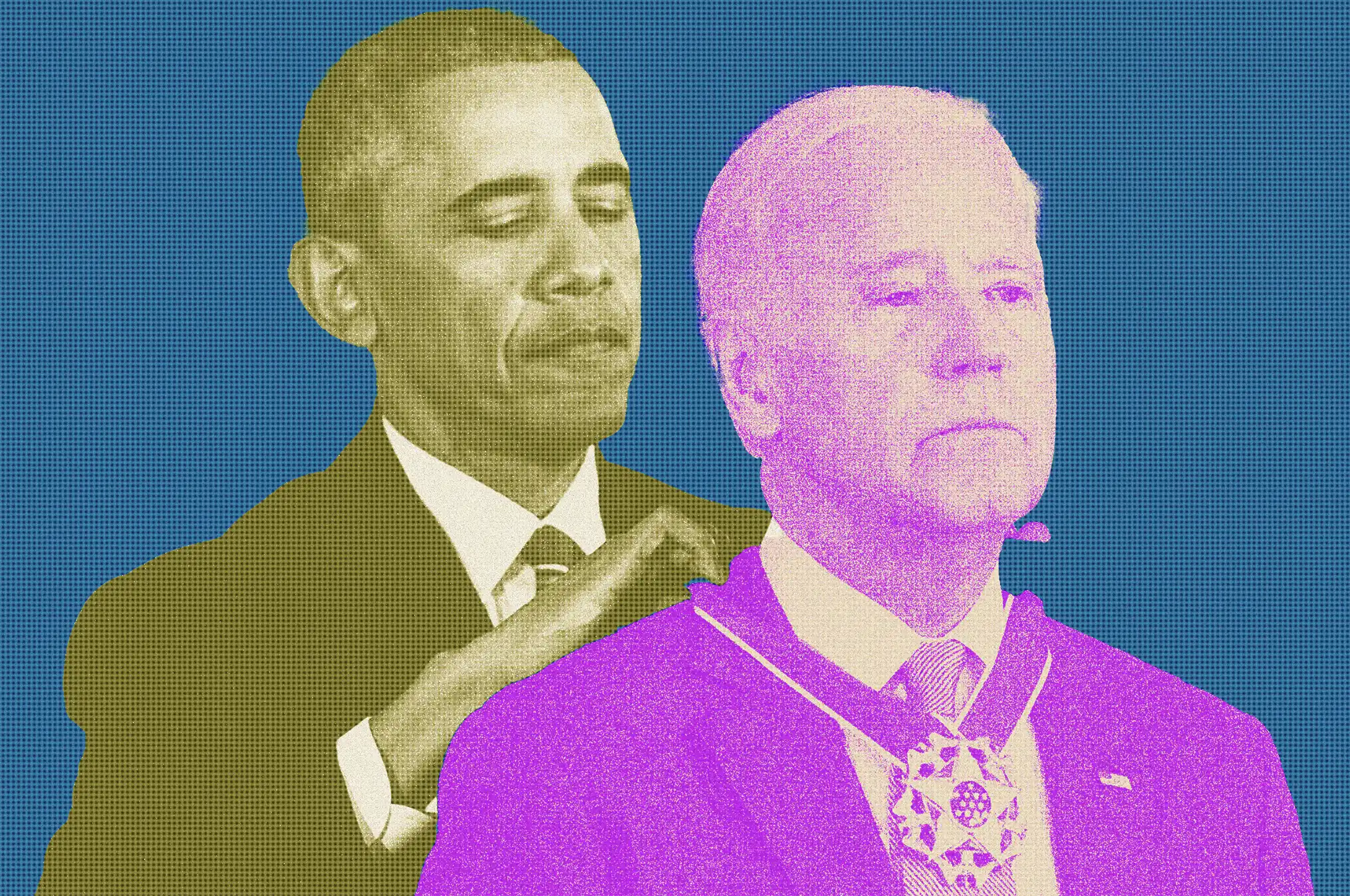
In the crypto market, Choke Point 2.0 generally refers to the period from 2022 to 2023 when the major U.S. financial regulatory agencies — the Federal Reserve, FDIC, and OCC — strongly discouraged banks from engaging in cryptocurrency-related activities through a series of guidance and policy statements, indirectly limiting the connection between crypto companies and the traditional banking system.
It all began in 2022 when the Federal Reserve issued a regulatory letter requiring state member banks to provide prior notice before engaging in cryptocurrency activities. While this may seem like a procedural requirement, it significantly raised the barrier for banks to enter the crypto space.
By early 2023, the regulatory pressure escalated further. The Federal Reserve, FDIC, and OCC jointly issued a statement explicitly stating that issuing or holding cryptocurrency on public, decentralized networks "is highly likely inconsistent with safe and sound banking practices." That same year, the regulatory agencies also mandated that banks seeking to engage in USD stablecoin activities must obtain prior approval through a "no objection" process from regulators. This process was not only complex and time-consuming but also granted regulators veto power.
As a result, many have referred to this wave of regulatory pressure as "Choke Point 2.0." Formerly of Fidelity Investments and the first crypto asset analyst, Nic Carter, in a deep dive analysis, described this series of actions as "a precise and broad-based assault on the crypto industry through the banking system."
He pointed out that the regulators' goal was to make it harder for banks to serve the crypto industry, severing the connection between crypto businesses and the fiat system. This not only restricted crypto companies' account opening and payment channels but also severely impacted the fiat on/off ramps for stablecoin issuers and exchanges. Some crypto companies even faced the risk of "losing banking services altogether," threatening stablecoin liquidity and exchange operations.
Related Reading: "In-Depth Analysis of 'Debanking': The Triple Game of Compliance, Risk, and Politics"
、"US Launches 'Deplatforming Action'? Plans to Marginalize the Crypto Industry"
FTX Collapse: The Catalyst of Regulatory Pressure
The Deplatforming Action 2.0 and the November 2022 FTX Exchange collapse are inseparable. The FTX collapse resulted in customers losing billions of dollars, causing market confidence to hit rock bottom. The cryptocurrency credit crisis of 2022 did not have a significant impact on traditional finance, but regulatory authorities clearly wanted to take preemptive action. As a result, the regulatory system restricted the interaction between banks and the crypto industry to prevent risks from affecting the banking system.
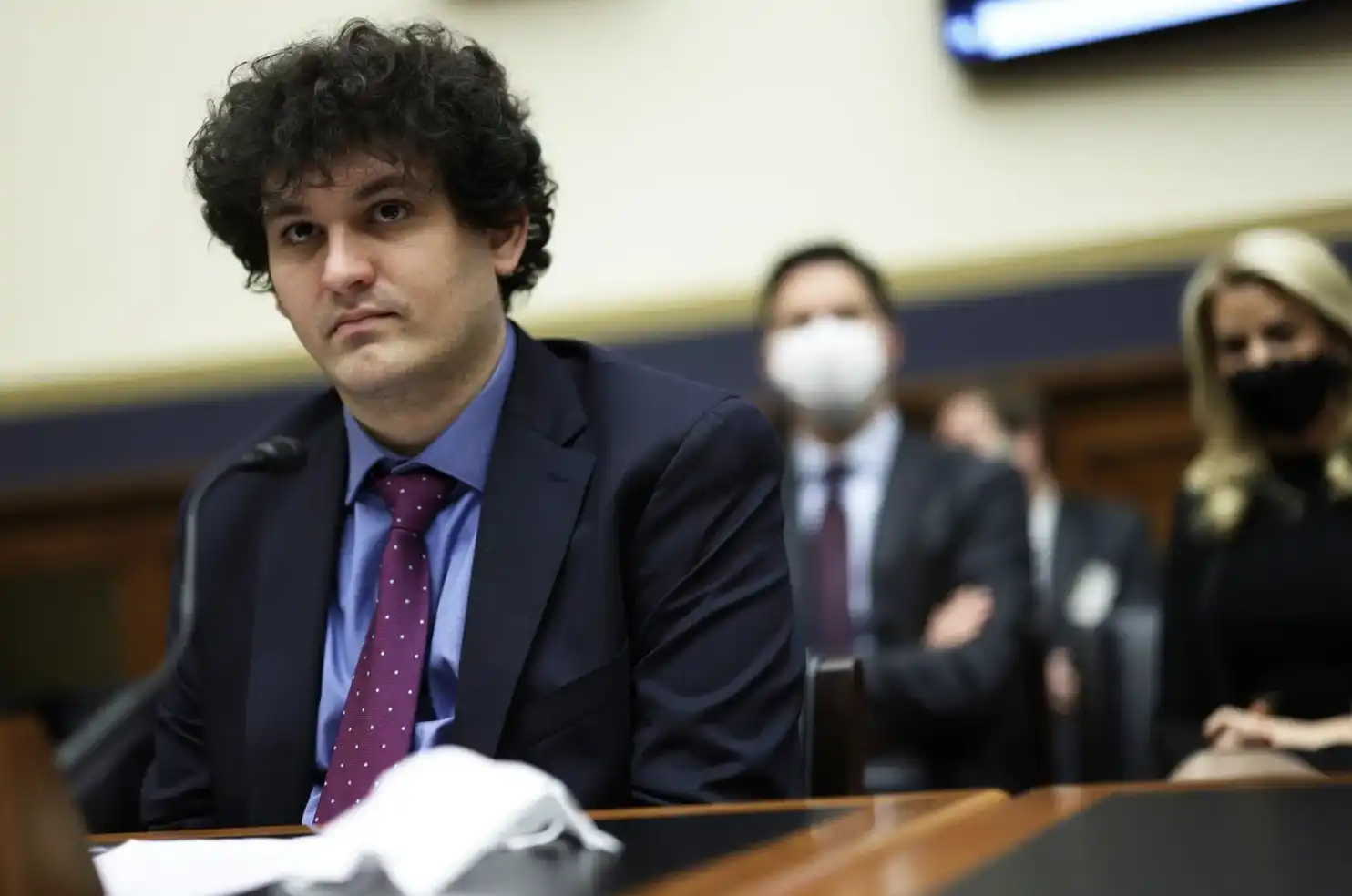
Crypto-friendly banks naturally became the primary targets of regulation. Silvergate and Signature were among the few banks willing to serve crypto customers, and they faced immense pressure. In December 2022, Senators Elizabeth Warren, John Kennedy, and Roger Marshall jointly wrote to Silvergate, criticizing its failure to detect suspicious activities related to FTX and its affiliate company Alameda Research.
Subsequently, Silvergate experienced a run on the bank following the FTX collapse, with its stock price plummeting from a high of $160 in March 2022 to $11.55 in January 2023. Signature announced a reduction of its crypto deposits from $23 billion to $10 billion and a complete exit from the stablecoin business. Another bank serving crypto customers, Metropolitan Commercial, also announced the closure of its crypto operations in January 2023.

Trump Administration's Shift in Banking Regulation Direction
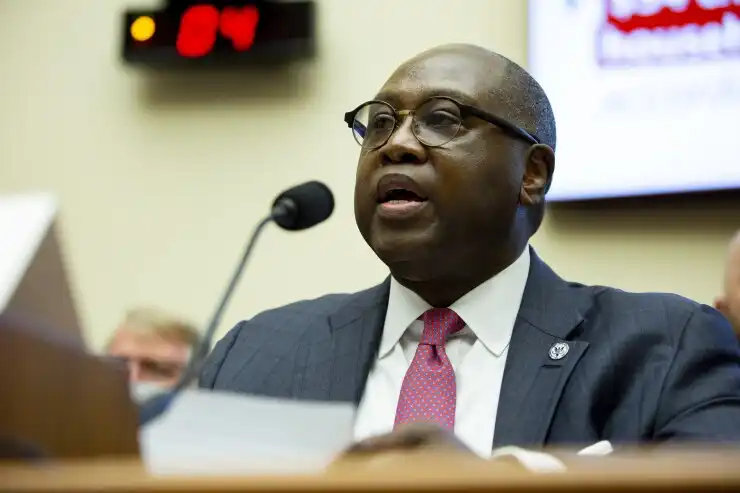
By 2025, as Trump returned to the White House, a significant change occurred in the U.S. crypto regulatory environment. On March 7, the White House held its first cryptocurrency summit, and the U.S. Office of the Comptroller of the Currency (OCC) released a series of interpretive letters, allowing national banks to offer cryptocurrency custody, stablecoin reserves, blockchain node participation, and other services without requiring special approval. This overturned the restrictive guidance from the Biden administration, revoking Interpretive Letter 1179 from 2021.
OCC Acting Comptroller Hood stated, "Digital assets should and must also become part of the U.S. economy." The new policy permits banks to securely store private keys for customers, hold stablecoin reserves pegged 1:1 to the U.S. dollar, and participate as nodes in validating blockchain transactions, providing flexibility for banks to deeply engage in the digital asset space.
The OCC's shift may be closely tied to Trump's commitment. During this year's White House cryptocurrency summit, Trump stated, "Some people are suffering greatly, and what they're doing is ridiculous... It will all end very soon." He criticized Operation Choke Point 2.0 for "forcing banks to shut down cryptocurrency business accounts, weaponizing the government against the entire industry."
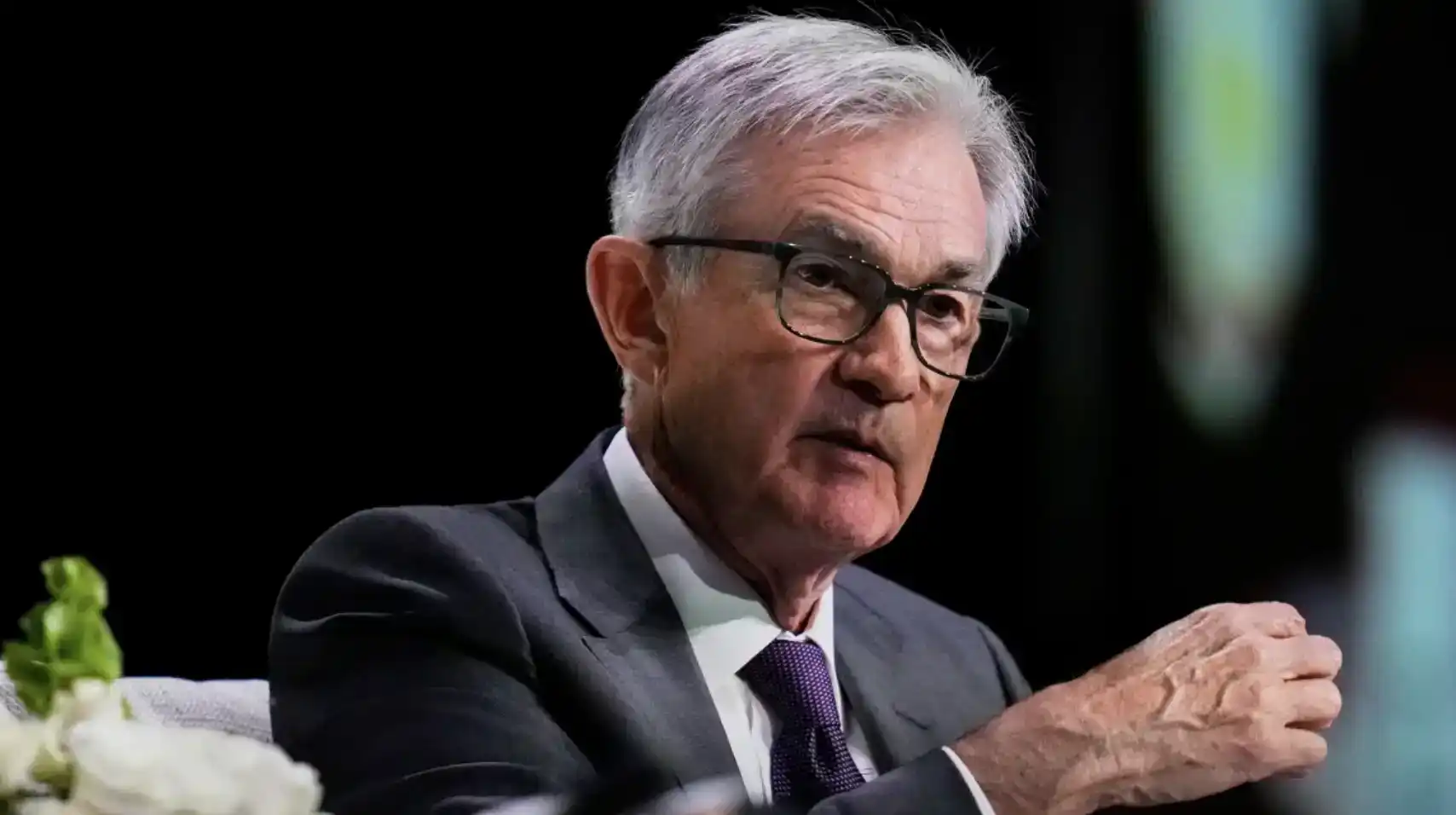
On April 17, Powell further clarified the direction of regulatory relaxation during a speech at the Economic Club of Chicago, believing that there is "room for relaxation" in the current cryptocurrency regulatory policies for banking institutions. He acknowledged the recent mainstream trend of cryptocurrency, noting that regulatory agencies were cautious due to "a series of fraud and scam events," but the market has fundamentally changed, necessitating a clear regulatory framework for stablecoins and sending a signal supporting innovation.
Related Reading: "Fed Chair Powell Discusses Cryptocurrency – What Positive Signals Did He Send to the Industry?"
Today, the Federal Reserve officially rescinded the guidelines related to Operation Choke Point 2.0. Banks no longer need to report cryptocurrency-related businesses, and such activities will be monitored through regular supervisory processes. In alignment with the Trump administration's pledge to abolish the "exclusion of cryptocurrency companies from banking services" policy, investigations by the House Oversight Committee and disclosures from the FDIC have also promoted policy transparency.
The Next Regulatory Boost for the Crypto Market?
Since 2025, there has been a continuous stream of bullish news for the crypto market. Following the SEC's approval of a slew of altcoin ETF applications, the return of traditional crypto market makers, the repeal of the DeFi broker rule, the dismissal of a series of crypto-related lawsuits, and Trump's personal appointment of a new pro-crypto SEC chair, the market has now received positive news on the banking regulatory front. The Federal Reserve's announcement of the repeal of Operation Choke Point 2.0 signifies the end of a three-year era of high-pressure regulation on banking interactions with the crypto market.
The most direct impact of this positive development is a significant reduction in the barriers for banks to serve the crypto industry, a substantial decrease in legal risks, and the potential for more banks to offer accounts, payment, and custodial services to crypto businesses. Additionally, fiat channels for stablecoin issuers and exchanges are expected to become more seamless as a result.
More importantly, the Trump administration has prioritized crypto-friendly policies, and Powell's affirmation of a stablecoin regulatory framework has injected clear expectations into the market. These intensive bullish signals may further attract more traditional financial institutions into the market, boosting market liquidity and bolstering investor confidence.
You may also like

The AI gamble of mining companies: Valuations enter a phase of differentiation, and it's hard to turn the tide

A letter from Alliance to entrepreneurs: Written on the occasion of Cursor selling for 60 billion dollars

Stablecoins Finally Find Real Returns: On-Chain Reinsurance Re Explained | Interview with Re Founder Karan Saroya

The impossible triangle is simply a pseudo problem

Will MicroStrategy fall into a death spiral? What will the macro trend be in the second half of the year?

Blockchain Capital Partner: The Core Secret of Arbitrage
STRC unanchored by 11%, can the perpetual motion machine of Strategy still operate?

Bitcoin Market Analysis 2026: Can BTC Reach $150K by Year-End?
Bitcoin ETF Outflows Hit a Record $4.4 Billion: What Are Traders Doing With Their Cash?
WEEX App Just Got Smarter – New Tabs for Faster Trades & Easy Asset Management

WEEX All-New Search Features: Find, Trade & Earn Faster Than Ever

Morning Report | Illinois signs the strictest digital asset tax law in the U.S.; RWA tokenization market size surpasses $43 billion, institutions accelerate the migration of on-chain assets
Full version of the debut Q&A! Federal Reserve Chairman Waller: Sticking to the 2% inflation target, establishing five special working groups, individual did not submit the dot plot

From Disruptor to Shadow Market: The Crypto Market is Becoming a Colony of Traditional Finance
Dalio's important long article: How to position in the current market environment?
OKX Star analyzes Binance's competitive advantages: when regulation levels the playing field, competition has just begun

New gameplay for participating in initial offerings on cryptocurrency exchanges
Why Is Bitcoin Down Today? What the Hawkish FOMC Means for SpaceX, Gold and Nasdaq
The AI gamble of mining companies: Valuations enter a phase of differentiation, and it's hard to turn the tide
A letter from Alliance to entrepreneurs: Written on the occasion of Cursor selling for 60 billion dollars
Stablecoins Finally Find Real Returns: On-Chain Reinsurance Re Explained | Interview with Re Founder Karan Saroya
The impossible triangle is simply a pseudo problem
Will MicroStrategy fall into a death spiral? What will the macro trend be in the second half of the year?
Blockchain Capital Partner: The Core Secret of Arbitrage


