
 Buy Crypto
- Markets
 Futures
- Spot
- Copy Trade
- Earn
- More
AI in Crypto Markets: From Trading Bots to On-Chain Intelligence, Key Crypto Trends for 2025


AI adoption is accelerating across global markets, but nowhere is its impact more dramatic than in crypto. Blockchain provides transparency, decentralization, and programmable infrastructure, while AI offers predictive intelligence, automation, and real-time analytical power. Combined, they open the door to new financial systems where data learns, contracts adapt, and markets evolve at machine speed. From AI-driven tokens to autonomous trading systems, we’re witnessing the rise of a new digital economy built around intelligent blockchain ecosystems.
The Current State of the AI Hotspot Market
AI-related crypto sectors are experiencing explosive growth:
- AI Trading Agents & Bots: In 2025, market capitalization surged over 29% within weeks as AI trading agents gained mainstream adoption.
- AI-Driven Tokens: Projects using machine learning for enhanced analytics, automated governance, and fraud detection are attracting global investor interest.
- AI for Blockchain Infrastructure: AI is increasingly used to improve transaction efficiency, optimize smart contract execution, and strengthen network security.
The narrative is clear: AI is no longer an experimental add-on — it is becoming the engine powering the next phase of blockchain innovation.
Real-World Application Cases
AI’s integration with crypto is already reshaping multiple areas:
Autonomous AI Trading
AI trading bots analyze market data, sentiment, and macro signals, enabling 24/7 execution that reacts instantly to volatility. Some outperform manual traders by 15–25% during fast-moving conditions, realising auto earn.
Smarter Smart Contracts
AI optimizes and audits smart contract logic, predicts potential vulnerabilities, and can adapt contract parameters based on real-time data.
Fraud Detection & Security
Machine learning models flag abnormal transaction patterns, identify risks, and enhance compliance, a critical step in scaling institutional adoption.
AI-Enhanced Blockchain Networks
AI improves scalability by predicting network congestion, optimizing node performance, and reducing computational load.
Data Intelligence in DeFi
In decentralized finance, AI enables optimized yield strategies, predictive lending/borrowing models, and dynamic risk assessment.
These cases show how AI is making blockchain systems smarter, safer, and significantly more efficient.
Future Trends of AI-Enhanced Crypto Market
As AI and blockchain evolve together, several trends are set to define the next era:
AI-Native Tokens & Autonomous Economies
AI-native tokens are digital assets governed or influenced directly by AI agents. These tokens automatically adjust parameters like inflation, staking rewards, and supply based on real-time data inputs. They operate within autonomous economies, where AI makes decisions, optimizes financial processes, and balances the system without human intervention, creating self-sustaining and adaptive token ecosystems.
Collaborative AI Ecosystems
Collaborative AI ecosystems are decentralized networks where AI models work together, sharing insights and learning from each other while still preserving user privacy. These AI models can collaborate to improve decision-making, optimize data analysis, and enhance blockchain operations without compromising the security and privacy of individual data. Such ecosystems promote better efficiency across platforms and foster innovation while respecting privacy rights.
AI-Driven DeFi
AI-driven DeFi refers to fully automated decentralized finance systems that manage financial strategies, such as yield farming, lending, and liquidity provisioning, without the need for human decision-making. These systems use AI to adapt to market conditions, optimize risk management, and adjust strategies in real-time, making DeFi protocols more efficient and responsive to changing environments.
Intelligent DAOs:
Intelligent DAOs (Decentralized Autonomous Organizations) are governance structures that leverage AI to enhance decision-making and resource allocation. AI helps DAOs make more informed, data-driven decisions by analyzing vast amounts of information, predicting outcomes, and optimizing community governance. This allows for more efficient management of decentralized communities and resources.
Cross-Chain AI Interoperability
Cross-chain AI interoperability refers to AI systems that enable seamless communication and data sharing between different blockchain networks. These AI models enhance the flow of information across multiple chains, optimizing performance and efficiency. By connecting different blockchain platforms, AI facilitates more fluid operations, allowing for better integration and interaction in multi-chain environments.
Risks & Challenges
Despite remarkable potential, AI-crypto integration comes with challenges:
- Model Bias & Overfitting: AI may misinterpret signals or rely too heavily on historical data.
- Regulatory Uncertainty: Policymakers are still catching up to AI-driven financial automation.
- Security & Manipulation Risks: Advanced attackers may target AI systems directly.
- Data Privacy: AI requires large datasets, raising privacy and compliance concerns.
- Herding Behavior: Widespread AI usage may amplify market moves if many traders follow similar signals.
Understanding these challenges ensures responsible adoption and sustainable innovation.
WEEX’s Global AI Hackathon: Shaping the Future of Crypto with AI-Driven Innovation
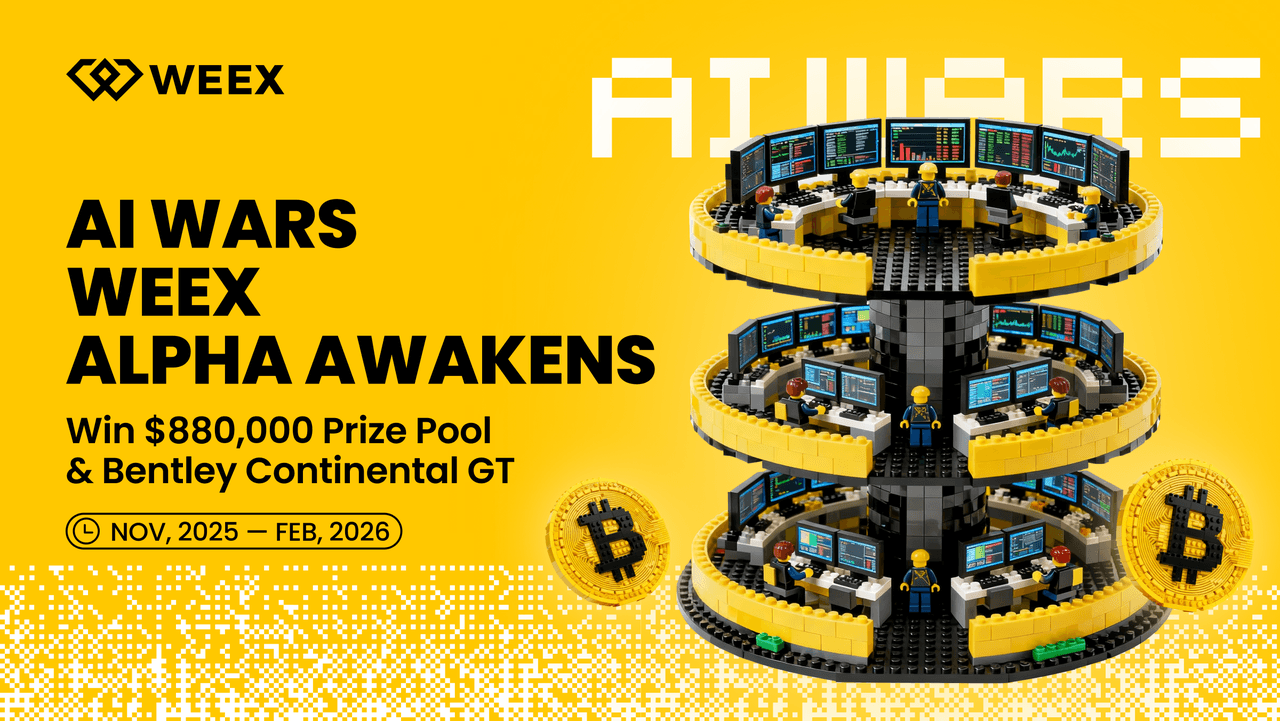
To accelerate innovation at the intersection of AI and crypto, WEEX is launching the world’s first global AI Trading Hackathon — AI Wars: Alpha Awakens, featuring a groundbreaking $880,000 prize pool and a Bentley Continental GT for the champion. From November 2025 to February 2026, developers, quants, engineers, and traders from across the globe will compete to build the next generation of AI trading systems, which will be tested in real markets with real capital.
Full recap is here:https://www.weex.com/events/ai-trading
Event Highlights
- $880,000+ in prizes, including sponsor prizes and WXT tokens
- Global qualifiers leading to a live Grand Finale in Dubai
- Workshops across major innovation hubs: Lisbon, Berlin, Istanbul, Dubai
- Strategic Partnerships with top AI labs, cloud platforms, media, and KOLs
- Real-market testing, where algorithms showcase performance under real volatility
This hackathon is more than a competition — it’s a global stage for the world’s next AI-driven trading leaders. A place where algorithms meet liquidity, where innovation meets recognition, and where builders can shape the future of intelligent markets. If you’re ready to test your skills, the arena is open for you. Join us and contribute to the next era of AI trading technology. Awaken your Alpha.
You may also like

Beta, meet cash flow

How do tokenized stocks work? A conversation with the head of digital assets at BlackRock
Is the rebound an illusion? The bond market has already provided the answer

The End of Crypto Premium? Observing the Market Logic Shift from the Dilemma After Gemini's Listing

The third round of repurchase and destruction by JST has been completed as scheduled, with a repurchase and destruction scale exceeding 21 million USD

Will Bitcoin ETF Increase Bitcoin Price in 2026?
Will Bitcoin ETF increase BTC price in 2026? See what ETF inflows signal about institutional demand, market momentum, and Bitcoin’s long-term outlook.

How to Track Bitcoin ETF Flows in 2026: Best Free Trackers Used by Analysts
Since 2024, Bitcoin ETFs have become one of the main channels through which institutional capital enters the crypto market. Unlike traditional crypto exchange volume data, ETF flow data reflects portfolio allocation decisions from large investors, which often influence long-term price direction rather than short-term speculation.
How to Invest in Bitcoin ETF in 2026: Beginner's Step-by-Step Guide
For users who want the simplest way to follow Bitcoin price movements, ETFs can be a convenient starting point.

What Is a Bitcoin ETF? Is Bitcoin ETF a Good Investment Entry for Crypto Beginners in 2026?
What is a Bitcoin ETF and why does it matter in 2026? Learn how Bitcoin ETFs work, why institutions use them, and how they changed crypto market access worldwide.

Bitcoin ETF vs Ethereum ETF: What's the Difference in 2026?
Bitcoin ETF vs Ethereum ETF: What’s the difference and which should you choose in 2026? Compare risk, adoption trends, and portfolio roles before investing.
The Bounce is a Illusion? The Bond Market Has Answered

The Flip Side of the Stock Market Rally: Energy Reconfiguration, Bitcoin Short Squeeze, and Market Dislocation

Claude's Request for Identity Verification Prompts Reflection from a Relay Operator
PinPet × VELA: Solana's First Atomic Swap Engine and Yield Hedging Protocol, Reframing the DeFi Financial Paradigm

From Coinbase to OpenAI: When lobbying experts start to flee crypto

Understanding the Key Issues of Tokenization in One Article

Silicon Valley Entrepreneurship Guru Steve Blank: In the AI Era, Startups Over Two Years Old Should Reboot
How Dangerous Is Mythos? Why Anthropic Has Decided Not to Release the New Model
Beta, meet cash flow
How do tokenized stocks work? A conversation with the head of digital assets at BlackRock
Is the rebound an illusion? The bond market has already provided the answer
The End of Crypto Premium? Observing the Market Logic Shift from the Dilemma After Gemini's Listing
The third round of repurchase and destruction by JST has been completed as scheduled, with a repurchase and destruction scale exceeding 21 million USD
Will Bitcoin ETF Increase Bitcoin Price in 2026?
Will Bitcoin ETF increase BTC price in 2026? See what ETF inflows signal about institutional demand, market momentum, and Bitcoin’s long-term outlook.



 App
App